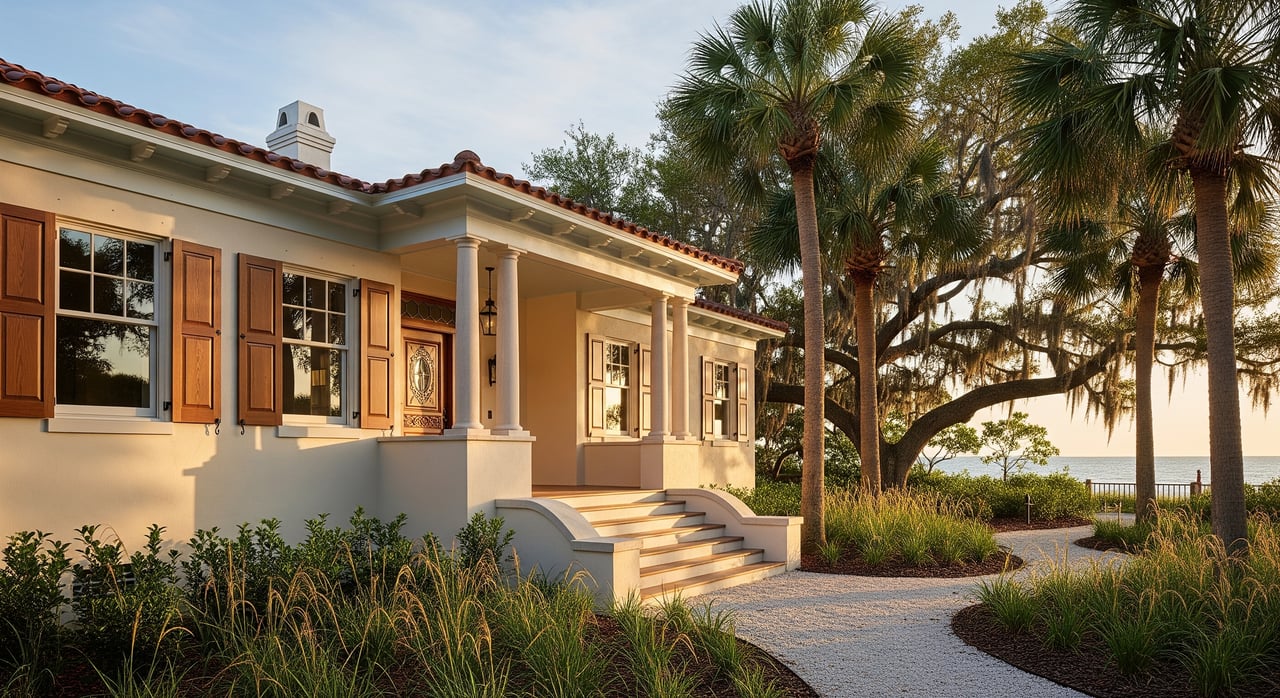
Drawn to the warmth and character of an older home, but unsure how it all works near the water in Sarasota? If Indian Beach / Sapphire Shores is on your list, you are looking in one of the city’s most visually interesting areas, with established landscaping, unique architecture, and close proximity to the bay and downtown. Buying in a coastal, historic-era neighborhood comes with extra steps, and the right plan can save you time and money. This guide walks you through how to verify a home’s status, inspect it wisely, plan renovations, and navigate insurance and flood risk so you can buy with confidence. Let’s dive in.
Why Indian Beach / Sapphire Shores appeals
You will find homes with period details, mature canopies, and a relaxed coastal feel. Many streets offer walkable access to parks and the bay, and you are a short drive to cultural venues and dining downtown. Buyers here often want homes with history, one-of-a-kind craftsmanship, and room to personalize.
The local market can reward well-preserved homes with documented updates, while properties needing work may offer value if you plan a renovation. Because homes vary in age and condition, days on market and pricing can look different from other Sarasota areas. Understanding designation status, inspection results, and insurance implications early helps you negotiate from a position of strength.
Confirm historic status first
Before you fall in love with a porch or set of original windows, verify if the property carries any historic designation. Designation affects what you can change on the exterior and may influence permits and timelines.
Distinctions that matter
- National Register of Historic Places: This is an honorary federal listing. It does not on its own prevent changes by private owners, unless federal funds or permits are involved.
- State and local designations: City or local landmark and district rules are usually the most relevant for owners. Local designation often brings design review for exterior changes and demolition.
- Contributing vs. non-contributing: In local historic districts, contributing properties may face stricter guidelines than non-contributing ones. Always confirm the status in writing.
How to verify and who to contact
- Start with the City of Sarasota’s planning and historic preservation resources. Review design guidelines, application procedures, and review board schedules through the City of Sarasota Planning and Historic Preservation office.
- Check parcel age and history using the Sarasota County Property Appraiser.
- Look up federal listings in the National Register of Historic Places database.
- For state files and possible incentives, consult the Florida Division of Historical Resources.
Ask the seller for any prior design approvals, preservation easements, or covenants on title. If local rules apply, request the written guidelines and a summary of the review process and timelines.
Inspections for older coastal homes
Older homes near the bay can hide issues that are not obvious at a casual showing. Plan for a deeper inspection approach that accounts for age, materials, and coastal exposure.
Common issues to look for
- Structural: aging foundations or piers, slab settlement, and rot in sill plates and floor framing.
- Moisture: hidden water intrusion, mold, and rot around windows, doors, crawlspaces, and porches.
- Termites and wood-destroying organisms: damage can be extensive yet hidden behind finishes.
- Salt air corrosion: accelerated wear on fasteners, HVAC units, plumbing fittings, and metal framing.
- Electrical: outdated wiring or undersized service that may not meet current loads or insurer requirements.
- Plumbing: galvanized supply lines or older cast-iron drains near the end of useful life.
- Roofing and wind resistance: older roofs may lack modern straps or impact-rated coverings.
- Hazardous materials: potential lead-based paint in pre-1978 homes and asbestos in certain mid-century materials.
Specialists to consider
- A home inspector with coastal and historic experience.
- Licensed structural engineer for foundation or major framing concerns.
- Termite and wood-destroying organism inspection, with a repair scope if needed.
- Roofing contractor familiar with coastal systems and wind mitigation.
- Preservation architect or contractor to advise on character-defining elements and feasible repairs.
- Environmental testing for lead-based paint, asbestos, or moisture mapping when age and conditions suggest.
Renovation planning and approvals
If you plan to update or expand, build time into your plan for design review, permits, and contractor scheduling. Historic review is often required before exterior changes, and building permits are separate.
What may require review
- Exterior changes such as additions, porch alterations, and window or door replacements.
- Materials, profiles, rooflines, and certain exterior colors, subject to local guidelines.
- Demolition, which may be restricted or delayed under local rules.
- Interior work is less commonly regulated, but confirm if any local ordinance covers interior features.
Timelines and costs
- Expect longer lead times for plans, review meetings, and permit approvals.
- Focus first on the building envelope and systems: roof, structure, termite remediation, electrical, plumbing, and HVAC.
- Preserve or replicate defining exterior details when feasible, which supports value and eases approvals.
- Plan for higher costs on specialized repairs such as period-appropriate windows, plaster, and custom millwork.
- Build a healthy contingency, often 10 to 20 percent or more for older coastal homes.
What to ask the seller
- Which components have been updated and when, including roof, electrical service size, plumbing supply and drains, and HVAC.
- Copies of permits, approvals, and inspection reports for prior work.
- Any known moisture, termite, or structural issues and how they were addressed.
- Documentation of historic approvals, easements, covenants, or association rules affecting changes.
Financing, insurance, and flood risk
Buying a historic home can be straightforward with the right loan and insurance plan. Lenders, appraisers, and insurers may ask for extra documentation for older properties, so start early.
Mortgage options to consider
- Conventional mortgages are commonly available if the home meets habitability and appraisal standards.
- Renovation loans such as FHA 203(k) and Fannie Mae Homestyle can combine the purchase and improvements in one loan. Lender experience with these products varies.
- Some lenders may require certain repairs before closing or hold funds in escrow for targeted fixes.
Insurance and wind mitigation
Coastal Sarasota premiums can be higher, particularly close to the bay or in high-wind zones.
Many properties require separate flood insurance. Check the official maps through the FEMA Flood Map Service Center.
Wind mitigation features such as impact-rated windows, roof straps, and secondary water barriers may reduce premiums. Ask your insurer which items qualify for credits.
Long-term resilience and planning
- Review sea-level rise and storm surge tools like the NOAA Sea Level Rise Viewer to understand long-term exposure.
- Ask about neighborhood flood mitigation projects, seawall conditions where relevant, and any planned infrastructure updates.
- Insurers may require upgrades to older electrical or plumbing systems before issuing a policy.
Buyer checklist for this neighborhood
- Confirm historic designation status and get copies of any applicable guidelines.
- Order a comprehensive home inspection and add specialists as needed.
- Request seller disclosures, permits, and records of prior approvals or easements.
- Verify flood zone status and obtain preliminary insurance quotes for homeowners and flood.
- Ask about electrical service size, plumbing materials, roof age, and wind mitigation features.
- Confirm that prior additions and renovations were permitted.
- Speak with city planning or preservation staff about your intended scope and likely review path.
Tips for sellers of historic homes
- Compile documentation: permits, prior design approvals, maintenance records, and photos of original features.
- Consider a pre-listing inspection to identify issues and make targeted repairs.
- If designated, prepare a short summary of the review process and typical timelines for buyers.
- Disclose any easements, covenants, or preservation restrictions clearly and early.
How Salaverri Windsor Group helps
Buying or renovating an older coastal home takes planning, relationships, and attention to detail. You deserve a team that blends concierge service with hands-on renovation insight.
- Advisory built for historic-era properties: We help you verify status, review guidelines, and outline likely approval paths.
- Due diligence coordination: We introduce trusted inspectors, engineers, and preservation-minded contractors, then organize timelines so nothing slips.
- Insurance and financing readiness: We guide you to obtain early quotes, connect with lenders experienced in renovation products, and prepare documentation for appraisers.
- Renovation planning support: We help you prioritize scope that protects character and value, while aligning with local review requirements.
When you are ready to explore historic homes in Indian Beach / Sapphire Shores, connect with the Salaverri Windsor Group for a private consultation and a clear, confident plan.
FAQs
How do I confirm if a home in Indian Beach / Sapphire Shores is historically designated?
- Start with the City of Sarasota’s historic preservation resources, check parcel data with the Sarasota County Property Appraiser, and search the National Register and Florida Division of Historical Resources.
Can I change windows or add an addition to a historic-era home?
- It depends on local designation and guidelines; many exterior changes require review and approval, while interior work is less commonly regulated, so verify rules before planning.
What inspections are most important for older coastal homes near Sarasota Bay?
- Prioritize structural, termite, roofing, electrical, plumbing, and moisture assessments, and add environmental testing and a structural engineer when conditions suggest.
How do flood zones affect my mortgage and insurance costs?
- Homes in FEMA flood zones often require separate flood insurance and may have higher carrying costs, so check the FEMA Flood Map Service Center and get quotes early.
Are there tax credits for restoring a historic home I plan to live in?
- Major federal historic tax credits generally apply to income-producing properties, while state or local incentives vary, so confirm options with the Florida Division of Historical Resources and local officials.