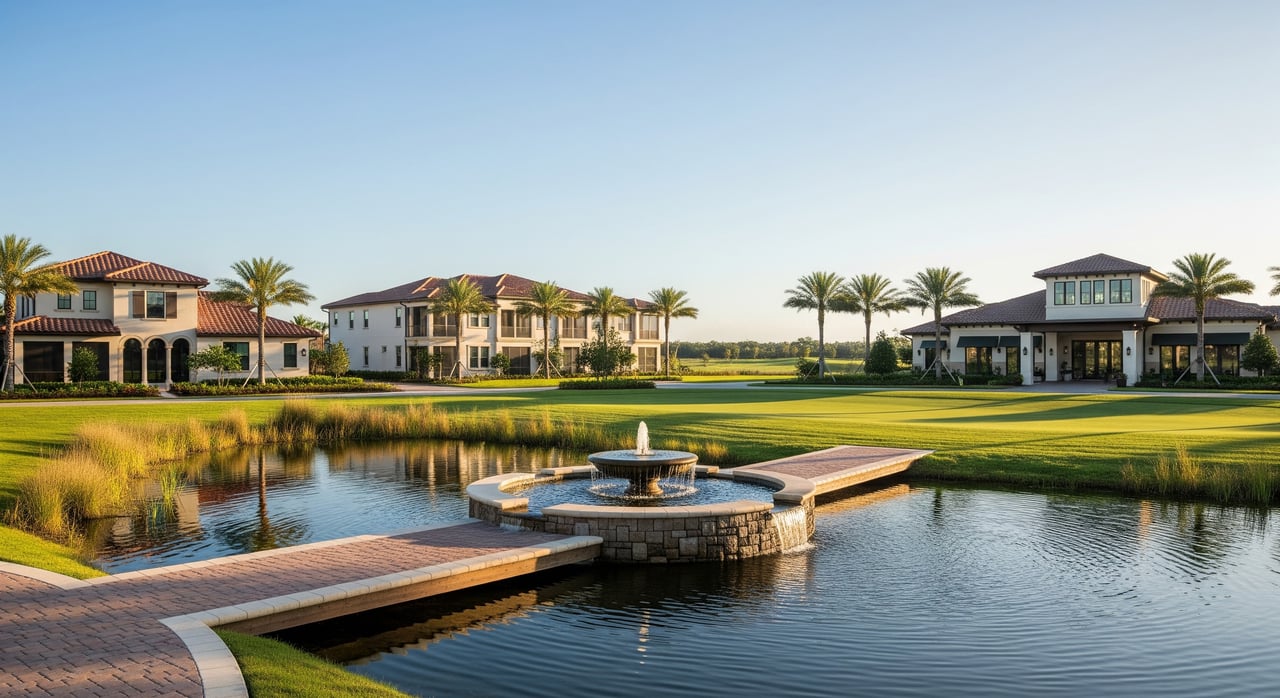
Choosing a village in Lakewood Ranch can feel overwhelming. There are many great options, each with its own lifestyle, amenities, and rules. You want a home that fits your day-to-day life now and supports your long-term goals. This guide breaks down the key decisions, village types, and a practical checklist so you can compare communities with confidence. Let’s dive in.
Lakewood Ranch at a glance
Lakewood Ranch is a large, privately master-planned community with multiple distinct villages, town-center retail, parks, and club amenities. It spans parts of Manatee and Sarasota counties, and that county line affects schools, taxes, and some services. Start by confirming whether the village you’re considering sits on the Manatee side. You can explore the community’s big-picture layout on the Lakewood Ranch official website.
Start with your priorities
Budget and home style
Decide on your preferred home type and price range first. Villages offer everything from condos and smaller single-family homes to luxury estates. New construction and resale can behave differently, so review recent sold comparisons within each village to understand value and trends.
Lifestyle and amenities
Clarify what matters most to you. Do you prefer walkable access to dining and events near Main Street, or quiet cul-de-sacs and larger lots? Amenities vary by village and can include parks, multiple pools, fitness centers, golf, and social programming. Gated settings often come with private amenities and higher dues.
Age-restricted or all-ages
If you want a 55+ environment, look at active-adult sections with social programming and lower-maintenance homes. If you need flexibility for household members of all ages, focus on all-ages villages with parks and community activities. Always verify the current age rules and any guest policies before you buy.
Schools and family needs
School zoning can vary by block, especially near county lines. If schools are important, confirm current assignments directly with the district and review enrollment policies. Start with the School District of Manatee County for boundary information and contacts.
Location and commute
Consider your routine destinations, from I-75 access to shopping, healthcare, and the airport. Some villages emphasize walkability and biking, while others are a quick drive to amenities. Test drive your commute at different times of day.
HOA fees, rules, and access
Each village has one or more homeowner associations with different fees and services. Ask what is included, such as lawn care, irrigation, and cable packages, and review architectural guidelines and rental rules. Clarify which amenities are included in your dues and which require separate membership.
Insurance, flood, and elevation
Florida’s insurance environment is dynamic. Check a property’s FEMA flood zone, elevation, and wind-mitigation features. Newer homes typically meet current building codes, but you should still confirm flood insurance needs through the FEMA Flood Map Service Center.
Resale and long-term value
Villages with strong amenities and prime locations often hold value well. Also consider product diversity and lot scarcity, which can support resale. If you plan to sell in the medium term, weigh liquidity and turnover in your short list of villages.
Who you are and where to look
Walkability seekers and downsizers
If you want dining, events, and services close by, explore town-center and mixed-use areas near Lakewood Ranch’s Main Street. Expect smaller lots, attached homes, and lower-maintenance options. This lifestyle works well if you prioritize convenience and social events within minutes of home.
Growing families
Family-oriented suburban villages feature single-family homes, community pools, playgrounds, and neighborhood activities. These settings can be close to schools and parks. Verify school assignments with the district, and factor in commute times to your frequent destinations.
Golf lovers
Golf and country-club neighborhoods deliver courses, club dining, fitness, and a full social calendar. Some clubs are mandatory membership, while others offer optional tiers. For example, Lakewood National is a known golf community, so ask for details on membership models, dues, and guest policies before you commit.
Water and resort feel
Some villages offer water views, lagoons, and resort-style pools. If you want a vacation feel at home, this can be a great fit. Review flood zones, elevation, and insurance requirements for any waterfront or low-lying lots.
Privacy and prestige
Luxury gated enclaves emphasize privacy, larger lots, and custom homes. These settings often carry higher dues and more architectural controls. Resale timelines can be longer in ultra-luxury segments, so align your choice with your time horizon.
Active-adult lifestyle
55+ and active-adult villages typically include lawn maintenance and robust social programming. Floor plans often favor single-level living and lock-and-leave convenience. Del Webb–style communities within Lakewood Ranch are examples of this lifestyle; confirm age policies and rental allowances.
Manatee-specific tips
If your target is the Manatee County side of Lakewood Ranch, confirm the parcel’s county, property taxes, and services with local records. Use the Manatee County official website to locate county departments and services. You can look up parcel details and ownership through the Manatee County Property Appraiser. For school boundaries and contacts, visit the School District of Manatee County.
Your village comparison checklist
Use this list when touring or reviewing disclosures:
- County and boundaries: Confirm the village and whether the home is in Manatee or Sarasota County.
- HOA structure and fees: Identify all associations, monthly or annual fees, and what they include. Review reserve studies, special assessments, and architectural rules.
- Amenities and access: Check which amenities are included, any waitlists, guest policies, and hours.
- School assignments: Verify current elementary, middle, and high school zones and enrollment policies with the district.
- Recent sold comps: Review 6–12 months of sold data within the village and nearby communities.
- Flood and elevation: Check FEMA flood zone, elevation, and insurance requirements through the FEMA Flood Map Service Center.
- Builder and warranties: For new homes, review builder reputation, warranty terms, timelines, and escrow processes.
- Utilities and connectivity: Confirm providers for water, sewer, and broadband.
- Future development: Ask about nearby build-out that could affect views or traffic.
- Parking and rentals: Understand parking rules, guest parking, and short-term rental restrictions.
Market snapshot and timing
Lakewood Ranch continues to grow, with new villages and changing builder incentives. This affects negotiation and inventory across price points. Amenity-rich and centrally located villages often see strong demand, while custom estates can take longer to sell. Given Florida’s evolving insurance market, factor wind and flood coverage into your total monthly budget.
Next steps
- Confirm county and parcel details using the Manatee County Property Appraiser.
- Check flood zones and insurance implications at the FEMA Flood Map Service Center.
- Review HOA documents, membership rules, and financials with your agent and the association.
- Verify school assignments and policies through the School District of Manatee County.
- Walk the village at different times of day, and test your commute during peak traffic.
- Explore the community overview and amenities on the Lakewood Ranch official site.
When you are ready to compare short-list villages, schedule a private, structured tour sequence with amenity access and HOA review. For a concierge approach that blends lifestyle insight with rigorous due diligence, connect with the Salaverri Windsor Group.
FAQs
What is a “village” in Lakewood Ranch?
- A village is a distinct neighborhood within the master-planned community, each with specific builders, amenities, HOAs, and rules.
How do I verify a home is in Manatee County?
- Search the address on the Manatee County Property Appraiser site to confirm county, parcel details, and tax info.
Are golf memberships mandatory in Lakewood Ranch?
- It depends on the village and club; some require membership while others are optional. Review HOA and club documents to confirm.
Do I need flood insurance in Lakewood Ranch?
- It depends on your FEMA flood zone and lender. Check your property on the FEMA Flood Map Service Center and consult your insurer.
How much are HOA fees in these villages?
- Fees vary by village and services included. Review current HOA budgets, reserve studies, and what is covered before you make an offer.
Is Lakewood Ranch walkable?
- Walkability varies by village. Areas near Main Street emphasize pedestrian access to dining and events, while others are car-centric with nearby parks and trails.