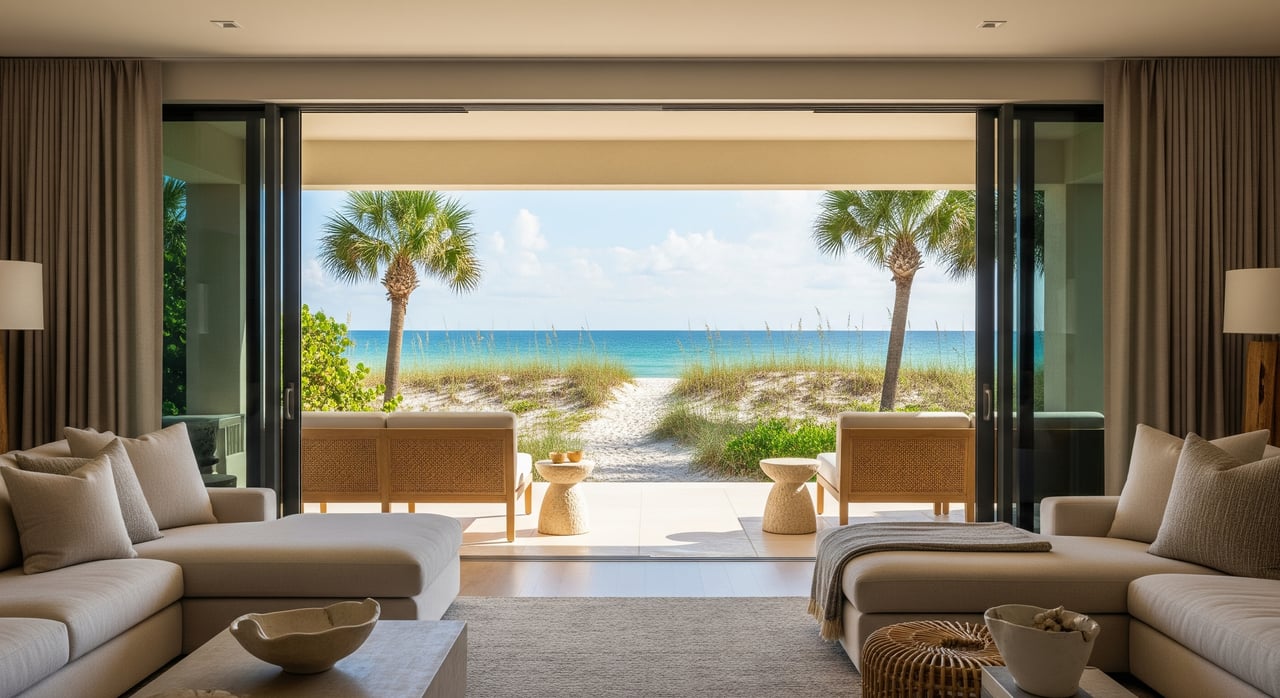
If Gulf views and walk-to-St. Armands convenience are on your wish list, a private condo and beachfront tour on Lido Key is the smartest first step. You want the sunshine and sand, but you also want clarity on HOA rules, insurance, flood zones, and long-term coastal plans. In this guide, you’ll learn what to look for during a tour, which documents to request, and how to make confident decisions as a buyer or seller. Let’s dive in.
Why Lido Key stands out
Lido Key sits between Sarasota Bay and the Gulf of Mexico with easy access to St. Armands Circle and a short drive to downtown Sarasota. You’ll find public beach access, dining and retail close by, plus quick trips to cultural venues, marinas, and golf. Many buyers value a lock-and-leave lifestyle, seasonal enjoyment, and proximity to Sarasota-Bradenton International Airport. For sellers, the island’s mix of views, access, and amenities can drive strong interest when presented well.
What your private tour includes
A well-structured tour helps you see both the lifestyle and the details that affect value and ownership costs.
- Exterior arrival: parking layout, guest access, lobby presentation, elevator and stair options.
- Unit interior: flow of living spaces, natural light, storage, and the condition of finishes.
- Balcony and beachline: view corridors, dune conditions, privacy, and distance to the sand.
- Amenities: pool and fitness areas, owner storage, bike rooms, and any concierge services.
- Access and logistics: delivery access, guest parking, and seasonal traffic patterns.
- Safety and preparedness: evacuation routes, hurricane shutter operation, and generator presence.
- Maintenance cues: signs of salt-air corrosion on railings, windows, or metal fixtures.
Buyer due diligence essentials
A beautiful view should come with solid fundamentals. Use this checklist as you evaluate any Lido Key condo.
HOA and financial health
Request association financials, including the current budget, reserve balances, and the most recent reserve study. Review meeting minutes for the past 12 to 24 months to spot planned projects, special assessments, or litigation. Florida condominiums operate under the Florida Condominium Act, so it helps to be familiar with key provisions on disclosures, reserves, and estoppel certificates. You can read the primary statute in Chapter 718 of the Florida Statutes.
Building systems and structure
Ask about the age and expected remaining life of the roof, elevators, windows, and common mechanicals. Look for evidence of water intrusion, balcony wear, and facade maintenance. Review elevator service records and any recent wind mitigation improvements, including impact windows or rated doors.
Flood zones and insurance
Confirm the property’s flood zone and elevation early. Check the official maps at the FEMA Flood Map Service Center and review any available Elevation Certificate for the unit. For a longer view of coastal risk, explore scenarios in the NOAA Sea Level Rise and Coastal Flooding Viewer. Insurance typically involves the association’s master policy, an HO-6 for the interior, and flood coverage, with wind or wind-and-hail often considered. The coastal insurance market changes, so review current options with your insurer and monitor guidance from the Florida Office of Insurance Regulation.
Rentals and use rules
Rental policies vary by building and can be more restrictive than city or county rules. Confirm minimum lease terms, frequency limits, and any registration requirements. For local context on ordinances and permitting, consult the City of Sarasota and Sarasota County resources while also verifying the association’s bylaws and rules.
Coastal projects and long-term risk
Barrier islands face erosion, storm surge, and periodic beach renourishment. Ask whether nearby projects are active or planned and whether assessments could impact owners. For local project context and beach management updates, review county information through Sarasota County and check with the City of Sarasota’s public works or engineering contacts.
Financing and approvals
Many lenders require flood insurance and may review a condominium project’s financials and reserves. Ask early about any project approvals and whether prior special assessments affect underwriting. Align your timeline with the association’s estoppel process so closing remains on track.
Seller preparation for maximum value
Presentation matters as much as the view. These steps help your condo show beautifully and sell confidently.
- Streamline and stage: remove dated, heavy “beach” decor and highlight light, bright finishes. Clear balconies to frame the horizon.
- Prioritize maintenance: address minor corrosion, caulk and paint touch-ups, and service HVAC and water heaters.
- Organize documentation: have HOA budgets, reserve studies, recent minutes, insurance certificates, and a list of capital projects ready for qualified buyers.
- Plan production: schedule interior photos on a bright day for clear sightlines and use Golden Hour for exterior and beach visuals. Confirm any drone or common-area filming permissions with the HOA.
- Clarify rules: prepare a one-page summary of fees, rental policy, pet rules, parking, and storage to remove friction for buyers.
Safety and filming logistics
Some associations require written consent to film in common areas or to operate drones on-site. Always confirm HOA policies before scheduling photo or video. If using a drone, comply with FAA rules and respect neighboring owners’ privacy. For public beach filming, check with the City or County about permitting, especially for commercial shoots. Share any temporary shoreline advisories with buyers after storms.
How SWG elevates your experience
You deserve a tour and transaction process that feels thoughtful and exact. SWG pairs lifestyle-focused marketing with rigorous due diligence support so you can enjoy the sand while staying fully informed. Expect polished visuals, clear communication, and a step-by-step plan that covers HOA documents, risk and insurance context, and negotiation strategy. Whether you’re buying or selling, our concierge approach helps you move forward with confidence.
Ready to see Lido Key through a sharper lens? Request a private condo and beachfront tour with the Salaverri Windsor Group to map your next steps.
FAQs
What should I ask a Lido Key condo association before buying?
- Request the current budget, reserves, recent meeting minutes, any special assessments, litigation disclosures, insurance certificates, rental rules, and a list of planned capital projects.
How do I confirm a condo’s flood zone and elevation on Lido Key?
- Review the property in the FEMA Flood Map Service Center and ask for any Elevation Certificate. For broader scenarios, explore the NOAA Sea Level Rise Viewer.
What insurance policies do Lido Key condo owners typically carry?
- Most owners rely on the association’s master policy for the structure, an HO-6 policy for interiors, flood coverage, and wind or wind-and-hail based on lender requirements and risk. See updates from the Florida Office of Insurance Regulation.
Are short-term rentals allowed in Lido Key condos?
- It depends on your building’s rules and local ordinances. Confirm lease minimums, frequency, and any registration steps with the HOA, and review guidance from the City of Sarasota and Sarasota County.
How do beach renourishment projects affect owners on Lido Key?
- Renourishment can protect shorelines but may involve access coordination and, in some cases, assessments. Ask the HOA about planned work and review county updates through Sarasota County.